
"coffee in Guyana"
390 article(s) found

Mild aromas Brazilian coffee Flavor description Treatment characteristics Variety Taste
Coffee production has gradually become a science since the introduction of coffee trees from Guyane française in 1720. Before 1990, the Brazilian government strictly controlled the coffee industry, with both severe interference and price protection measures, and the state has always implemented minimum price protection measures for farmers, resulting in coffee overproduction. Before World War II, surplus stocks amounted to 780

Taste of Brazilian Coffee introduce the characteristics of Brazilian Coffee Brand Brazilian Coffee in Manor
Old bourbon coffee is grown on some estates in the Serrado district of Minas Greais state in southeastern Brazil. Old varieties of bourbon coffee grown on these estates, such as Capin Branco and Vista Allegre, are also sold on the market. Although they come from the same area, there are different kinds of coffee.
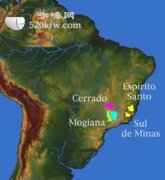
Coffee knowledge Coffee Origin Brazil
The low-acidity, moderately roasted coffee beans from the World Coffee Center are vividly compared to the giants and monarchs of the coffee world. There are about 3.97 billion coffee trees there, and small farmers now grow 75% of the country's coffee. The number of coffee producers in Brazil is twice or even three times that of Colombia, the second largest coffee producer in the world. With

Origin and History of Brazilian Santos Coffee Santos Coffee brewing method has special flavor
Professional coffee knowledge exchange more coffee bean information Please follow the coffee workshop (Wechat official account cafe_style) Brazil Santos Coffee, named after the port of export-Santos (Santos), accounts for about 1 beat 3 of the world's total coffee output. Brazilian coffee is of uniform quality and is an indispensable bean for blending mixed coffee or Mamba or Mamba coffee. Brazilian Santos coffee, such as very rhyming

What kinds of coffee do you have in Brazil
Brazilian coffee generally refers to coffee produced in Brazil. There are many kinds of coffee in Brazil, and like other Arabica coffee, Brazilian coffee is called "Brazils" to distinguish it from "Milds" coffee.
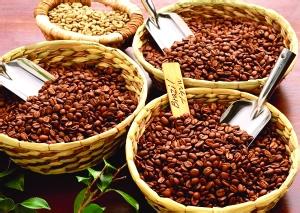
Flavor description of Brazilian Mojiana Coffee beans introduction of varieties in taste producing areas
The flavor description of Brazilian mojiana coffee beans the introduction of varieties in the taste producing areas has proved that Brazil also has the ability to produce gourmet coffee and small batches of coffee. The local boutique coffee can not only be provided by small-scale coffee farmers. The main coffee producing areas in Brazil are Sulde Minas South Minas, Matas de Minas Minas Southeast Forest region, Cerrado Syracuse, Chap.

Brazilian coffee bean brand, introduction to the characteristics of Brazilian coffee beans
Following Cafe (Wechat official account vdailycom) found that Fairview Cafe opened a small shop of its own Brazilian coffee bean brands Brazil: Santos, Bahia, Cerrado, Mogiana the characteristics of Brazilian coffee beans Brazilian coffee beans refer to all coffee beans grown in Brazil, except for more than three companies.
Boutique Coffee Coffee from Brazil
The low-acidity, moderately roasted coffee beans from the World Coffee Center are vividly compared to the giants and monarchs of the coffee world. There are about 3.97 billion coffee trees there, and small farmers now grow 75% of the country's coffee. The number of coffee producers in Brazil is twice or even three times that of Colombia, the second largest coffee producer in the world. With

Coffee Chronicle the Historical Development of Fine Coffee
In the 6th century, on the plateau of Abyssinia, a shepherd named Caldai drove goats to the new prairie for grazing, and accidentally found coffee fruit due to the accidental feeding of goats. In the early 10th century, Dr. Daggers, a famous doctor in Iraq, admitted and documented the pharmacological effects of coffee. This is one of the earliest valuable medical records of coffee. In the 11th century, the Arabs invented the whole

Introduction to the description and treatment method of Manor Environment and Flavor in the characteristic Map of Coffee Bean planting Base in Brazil
Introduction of Brazilian coffee beans in Brazil, the largest production is Robbins coffee. This kind of coffee is sold in the supermarket. Brazil's Robucht coffee, sold under the name Conillon, accounts for 15 per cent of total production. Old bourbon coffee is grown on some estates in the Serrado district of Minas Greais state in southeastern Brazil. These estates, such as Capub.

Brazilian coffee flavor taste manor production area boutique coffee beans introduce Brazilian coffee brands
In 2002, Brazilian coffee exports reached a 270-year high, with a total export volume of 27.99 million bags (60 kg each), an increase of 19.3 per cent over 23.46 million bags in 2001. Due to the decline in international coffee prices, coffee trade volume was 1.355 billion US dollars, down 5.4 percent from 1.432 billion US dollars last year. Brazil is the world's largest exporter of coffee, known as the kingdom of coffee. In the last 40 years
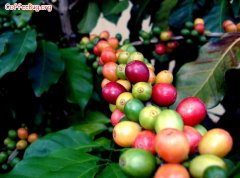
A variety of coffee, Arabica, Karobsta, Lubebeca
Coffee beans (Coffee Bean) can be divided into three types, namely Arabica-coffee contains caffeine of about 1% per cent by weight. Generally speaking, the better quality and more expensive coffee beans come from coffee beans grown by Elaraby. It accounts for 3/4 of the world's output and is of good quality, because the coffee tree itself is sensitive to heat and humidity.
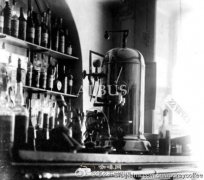
Coffee Chronicle the Development of Coffee History and Culture
In the 6th century, on the plateau of Abyssinia, a shepherd named Caldai drove goats to the new prairie for grazing, and accidentally found coffee fruit due to the accidental feeding of goats. In the early 10th century, Dr. Daggers, a famous doctor in Iraq, admitted and documented the pharmacological effects of coffee. This is one of the earliest valuable medical records of coffee. In the 11th century, the Arabs invented the whole

Introduction of Brazilian boutique coffee bean manor with low acidity and moderate bitterness
Brazilian coffee generally refers to coffee produced in Brazil. There are many kinds of coffee in Brazil. Like other Arabica coffee, Brazilian coffee is called Brazilian coffee Brazils to distinguish it from Milds coffee. The vast majority of Brazilian coffee is unwashed and sun-dried and is classified according to the name of the state of origin and port of transport. Brazil has 21 states and 17 states produce coffee, but among them

Description of Price and Flavor of single Coffee Bean in Brazil introduction to the Regional treatment method of Manor production
Brazil is located in the Latin American region of the Western Hemisphere, located in the eastern part of South America and on the west coast of the Atlantic Ocean, bordering all countries on the South American continent except Ecuador and Chile; most of its territory lies between the equator and the Tropic of Cancer. It is the most tropical country in the world. The territory has a tropical rain forest climate and a tropical prairie climate. The superior tropical natural conditions are very suitable.

Flavor Description of the Brazilian Queen Estate Coffee Bean Grind Scale Processing Taste Characteristics
Flavor Description of the Brazilian Queen Estate Coffee Bean Grind Scale Treatment Taste Characteristics Although coffee has a variety, Brazilian coffee is suitable for the taste of the masses. For example: coffee produced in northern coastal areas has a typical iodine taste, reminiscent of the sea after drinking. This coffee is exported to North America, the Middle East and Eastern Europe. And there's a coffee that's fun and worth pursuing. It's rinsed coffee.

Flavor description of Yellow Bourbon Coffee beans in Queen's Manor of Brazil
Brazilian Coffee Manors say ancient bourbon coffee is grown on some estates in the Serrado district of Minas Greais state in southeastern Brazil. Old varieties of bourbon coffee grown on these estates, such as Capin Branco and Vista Allegre, are also sold on the market. Although it comes from the same area

Flavor description of Brazilian coffee beans introduction to the taste of varieties in producing areas
Brazil is vividly compared to the giant and monarch of the coffee world. There are about 3.97 billion coffee trees there, and small farmers now grow 75% of Brazil's total coffee production. The number of coffee producers in Brazil is twice or even three times that of Colombia, the second largest coffee producer in the world. Unlike in the past, Brazil's economy is less dependent on coffee.

Introduction to the varieties of Brazilian Coffee grown by Flavor description and Taste treatment
Brewing: to brew a good cup of coffee, you need not only fresh coffee powder and slightly harder water, but also a set of brewing tools that are easy to use. There are three main types of coffee machines in common use. Drip filter: wet the coffee powder with water and let the coffee liquid pass at the speed of natural fall.

Description of the Flavor of Brazilian Hilado Coffee beans introduction to the manors in the regions where the varieties are produced
Brazil is vividly compared to the giant and monarch of the coffee world. There are about 3.97 billion coffee trees there, and small farmers now grow 75% of Brazil's total coffee production. The number of coffee producers in Brazil is twice or even three times that of Colombia, the second largest coffee producer in the world. Unlike in the past, Brazil's economy is less dependent on coffee.